Research
Our research objective in the Matute lab is to explore factors contributing to speciation,such as reproductive barriers/isolation, introgression, and hybrid incompatibilities. To do so, we combine a mixture of quantitative fieldwork, classical genetics, and to collect genetic data from our flies and fungal strains, which is then utilized through extensive bioinformatic analyses such as variant calling ,tree reconstruction, selective sweep finding, and much more.
Here are some projects that we currently work on:
Drosophilid speciation and trait evolution
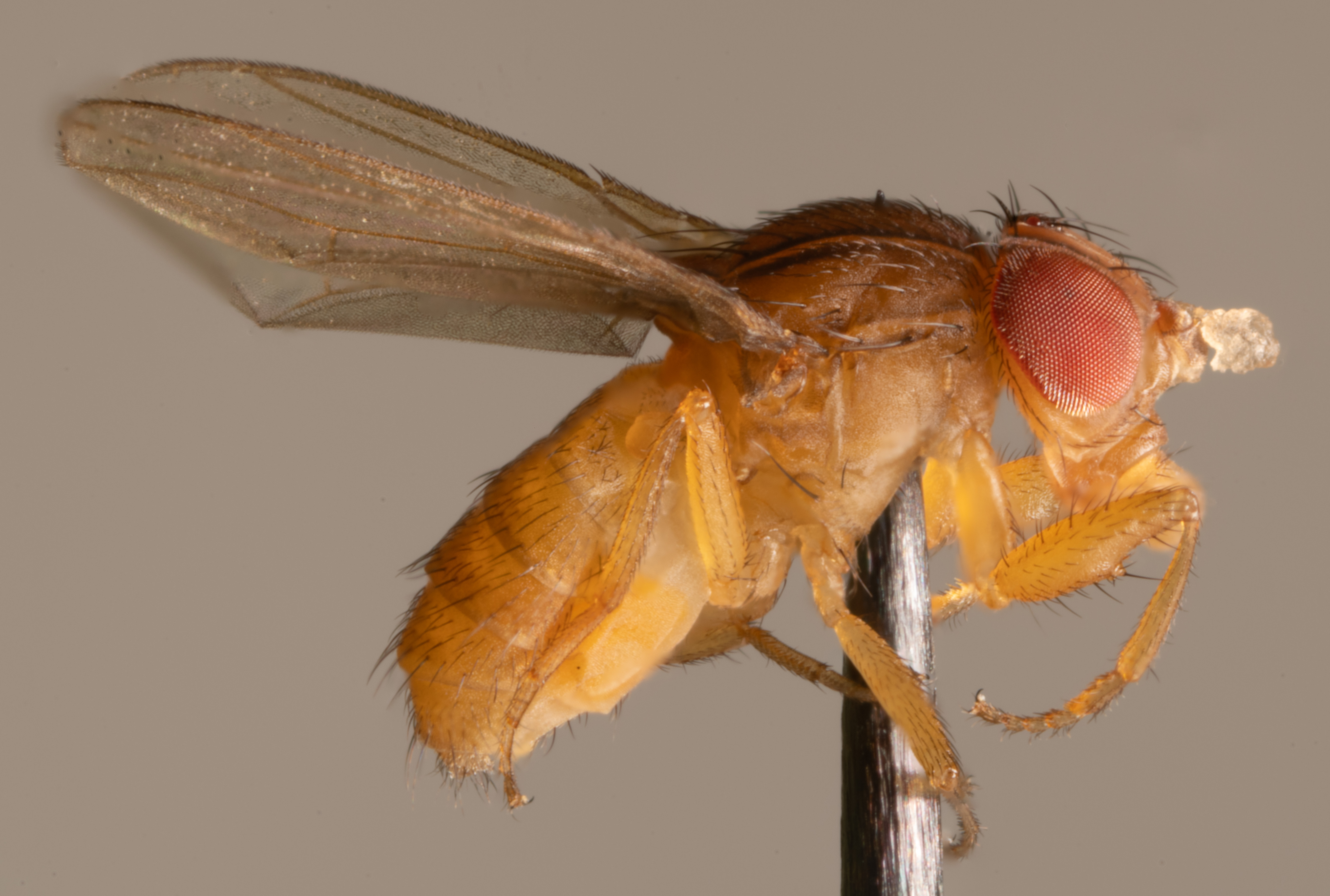
What are the genetic components contributing to speciation? What does diversity in hybrid populations look like genotypically/phenotypically? We utilize the genus Drosophila to answers these questions. Drosophila is widely regarded as an ideal genus for genetics research due to their ease of husbandry, broad niche range, and high potential for crossbreeding. These features are particularly important when discussing hybrid incompatibilities (deleterious genes contributing to inviable offspring) and speciation, as it provides a system where we can easily test crosses between lineages, identify their genetic makeup, and document the changes between parent and offspring contributing to viable and inviable offspring. In addition, we are able to conduct these experiments in more than one set of individuals, which allows us to to understand how genotypes shift at the population level. Our lab holds one of the largest collections of Drosophila in the world, providing us a wide range of lineages to conduct our research. Through our work and collaborations, we have tested and displayed that hybrid incompatibilities follow the theorized Dobzhansky-Muller model of speciation (snowball effect) (Matute et al. 2010), speciation rates are not always linked to rates of reproductive isolation (Rabosky & Matute, 2013), and genomic introgression is widely present in the Drosophila tree (Suvorov et al. 2022).
Fungal pathogen speciation and gene evolution
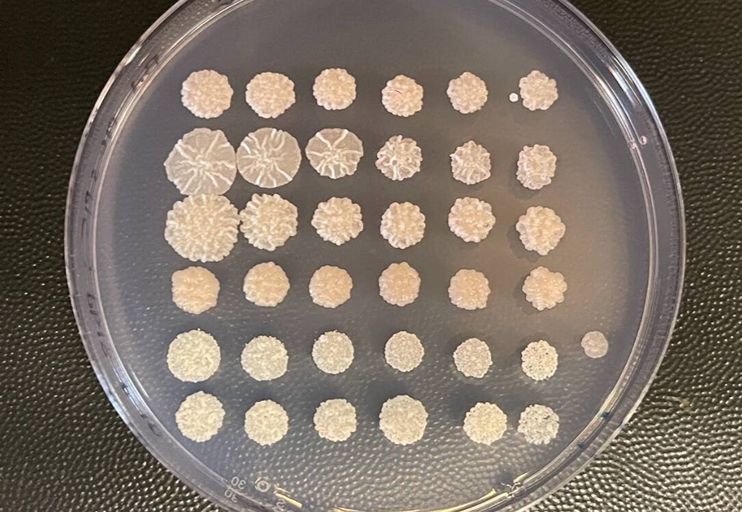
Alongside fruit flies, we are heavily interested in how species boundaries form in organisms that have complex biology such as Fungi. Fungi do not follow typical “rules” of biology that are seen in other animals/organisms; they often have complex life histories with multiple stages, they can have variable numbers of chromosomes, and they can reproduce sexually and asexually within the species. Understanding the dynamics of speciation in fungi is especially important, since pathogenic species can rapidly evolve when isolated in hosts. Fungal diseases are often difficult to combat due to their biology. We can use our knowledge of evolutionary patterns and processes to determine when, where, and what virulence factors formed and exist in the genome. We have found that the Paracoccidioides and Histoplasma complexes are both comprised of multiple diverged species (Turissini et al. 2017, Sepulveda et al. 2017). We are also in the process of improving genomic resources for non-model species such as Sporothrix and Blastomyces (manuscripts coming soon!!).